Choosing a car in India has become more complicated in 2025. With the rise of electric vehicles (EVs) and the continued popularity of petrol cars, buyers often ask: which one is better? Each type has advantages and disadvantages depending on your budget, daily usage, and long-term goals.
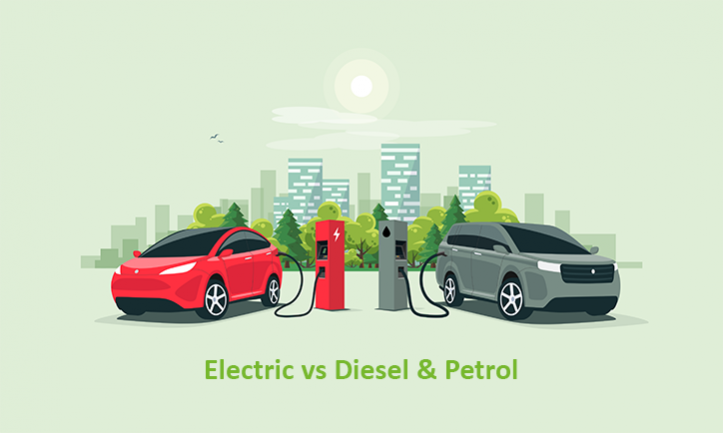
In this blog, we will compare electric vs petrol cars in India 2025, including their prices, mileage, features, running costs, and long-term benefits. This guide will help you make an informed choice.
Why the Debate Between Electric and Petrol Cars?
The Indian government is promoting EVs with subsidies and incentives, while petrol cars are still widely used due to affordability and convenience. Key reasons people compare them:
-
Rising fuel prices
-
Environmental concerns
-
Maintenance and service costs
-
Performance and mileage
-
Resale value
Electric Cars in India 2025
Advantages
-
Lower Running Costs – EVs cost less per km compared to petrol cars.
-
Eco-Friendly – Zero emissions reduce air pollution.
-
Government Incentives – FAME II scheme and tax benefits reduce purchase cost.
-
Modern Features – Many EVs come with touchscreen infotainment, advanced safety, and smart connectivity.
Popular Electric Cars
-
Tata Nexon EV – Price: ₹15–₹18 lakh, Range: 312 km
-
MG ZS EV – Price: ₹22–₹26 lakh, Range: 419 km
-
Hyundai Kona Electric – Price: ₹23–₹25 lakh, Range: 452 km
-
Tata Tigor EV – Price: ₹12–₹14 lakh, Range: 306 km
Disadvantages
-
Higher initial cost than petrol cars
-
Limited charging stations in some cities
-
Charging time can be long compared to filling petrol
Petrol Cars in India 2025
Advantages
-
Lower Initial Cost – Petrol cars are cheaper to buy.
-
Easy Refueling – Petrol stations are everywhere.
-
Good for Long Drives – Petrol cars generally have longer ranges and quicker refueling.
-
Variety of Models – Hatchbacks, sedans, SUVs, and more are available in every price range.
Popular Petrol Cars
-
Maruti Suzuki Swift – Price: ₹5–₹8 lakh, Mileage: 21–23 km/l
-
Hyundai i20 – Price: ₹7–₹11 lakh, Mileage: 18–21 km/l
-
Tata Altroz – Price: ₹6–₹10 lakh, Mileage: 19–22 km/l
-
Kia Sonet – Price: ₹7–₹12 lakh, Mileage: 18–20 km/l
Disadvantages
-
Rising fuel prices increase running costs
-
Higher emissions affect the environment
-
Petrol engines require regular maintenance
Cost Comparison: Electric vs Petrol
| Feature | Electric Cars | Petrol Cars |
|---|---|---|
| Initial Cost | Higher | Lower |
| Running Cost | Low | Moderate |
| Maintenance | Low | Moderate |
| Fueling Convenience | Medium (charging) | High (petrol stations everywhere) |
| Environmental Impact | Zero emissions | High emissions |
| Long Drive Comfort | Good (depends on charging) | Excellent |
Which One Should You Buy?
Choose Electric Cars If:
-
You drive mostly in the city
-
You want to save on fuel
-
You care about the environment
-
You are ready to invest more initially
Choose Petrol Cars If:
-
You travel long distances frequently
-
You want a lower initial cost
-
You need quick refueling and convenience
-
You prefer more model variety
Conclusion
Both electric and petrol cars have their own advantages in India 2025. Electric cars are future-ready, eco-friendly, and cost-effective in the long term. Petrol cars are affordable, convenient, and reliable for daily commuting and highway travel.
Before buying, consider your daily mileage, budget, charging options, and long-term goals. With proper research, you can pick the perfect car that fits your lifestyle.